
The Primary Blockage to Flow
Flow is not a conditional state based on an outward result but rather a deep, powerful, inward feeling that exists naturally at all times. We just need to access it directly. Accessing this inner feeling in all that we do is the goal or path of life.
The ego shoots for a different goal – not an inner one but an outer one. It seeks measurable, predictable, repeatable material results (control), which is a persistent distraction from our true goal of feeling flow on the inside. The error that good results create good feelings keeps us focused on those results – the wrong goal. In reality, the inner feeling of flow can include things that the ego thinks are insufferable; but love and kindness are feelings that depend on loss and sadness, even pain. Compassion, the heart’s primary feeling, needs us to acknowledge the shadow of vulnerability. So, we just need to feel whatever is truly there inside, and perhaps even better, express that feeling naturally.
With practice, we can access the inward, flowing, natural feeling just by stopping and tuning in (meditation), and also through many outward pursuits. Music is especially powerful for accessing and expressing inner feelings. However, practising anything can trigger the ego: our goal becomes doing it well to achieve good or perfect material outcomes. We’ve missed our true goal of inner flow and are left in an emotional state of fear and hunger, feeling insecure, pressurised, inadequate, and demoralised. The comfort, satisfaction and approval that achieving good results promises are never felt very deeply inside, and the hit of these very superficial emotions is very short-lived and addictive.
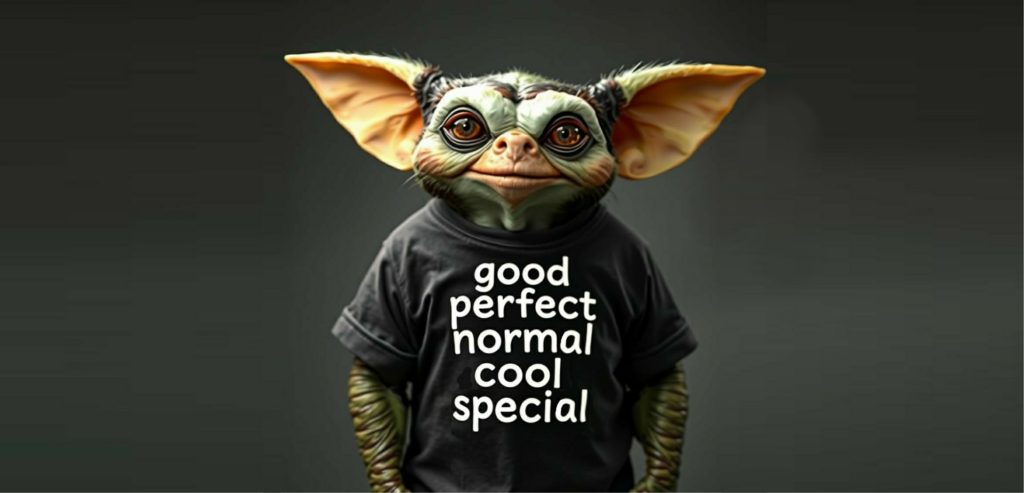
So we must LET GO of our ego gremlins’ goal of achieving good material results. Letting go also encourages us to feel DEFIANCE, which is a really great feeling – an emotion that transcends fear, shame and anger. Of course, when we feel good inside, favourable material outcomes appear as natural by-products, but don’t let them seduce you into making those results your goal. Defy those gremlins!
How to use an audible groove to sense the music’s structure
When music has some kind of accompanying figuration that shows the underlying groove, that can be a very helpful way to feel the rhythmic structure of the music as it unfolds. But you still need to consciously generate a strong matrix structure and know where you are within it at every moment, so that the music makes perfect sense – like a poem.

I’ve finally got my act together!
For many years, the way I have made music privately for myself and how I’ve shared it publicly have not quite matched. So now I’ve decided to stop hiding behind other genres and to share my improvisations, pieces and songs exactly as they are.
How to get a fluent sense of tonality
Tonality works according to some basic, solid principles that we can easily learn. But we must also use strong expressive intention which is based more on rhythm and cadence than theory.
A moody post-minimal piano piece with a strong sense of storytelling
Groove in music generates a feeling of story or poetry. A living, breathing musician can create this magic to give the music atmosphere and depth of meaning.
Exploring the tonal relationship between Cm, Ab and B
Cm and Ab feel like close relatives, so how can B function naturally with them and not sound strange?
The powerful and flexible groove of Schubert’s Impromptu in G-flat
Without going very deep into the compositional structure of this lovely piece, in this video I describe how the groove or metre forms into sections to generate a lovely sense of story in Schubert’s Impromptu in G-flat.
At its source, rhythm is a MARRIAGE of two parts…
When we strip away all the techniques and analyses about what rhythm is and how it works, what do we find at the very source?
How do you feel as the tempo gets slower and slower?
When we listen actively to music with a clear groove which slows down gradually, we relax, unwind and feel ease. In this video, I improvise using a pulse that constantly slows down. Notice how it makes you feel!
Are we too obsessed by melody?
Composing and improvising can seem difficult when we approach it top down, trying to come up with good ideas. Trying to come up with a good melody can often generate terrible pressure that blocks us creatively. Here I explore how to wriggle out of this common trap.